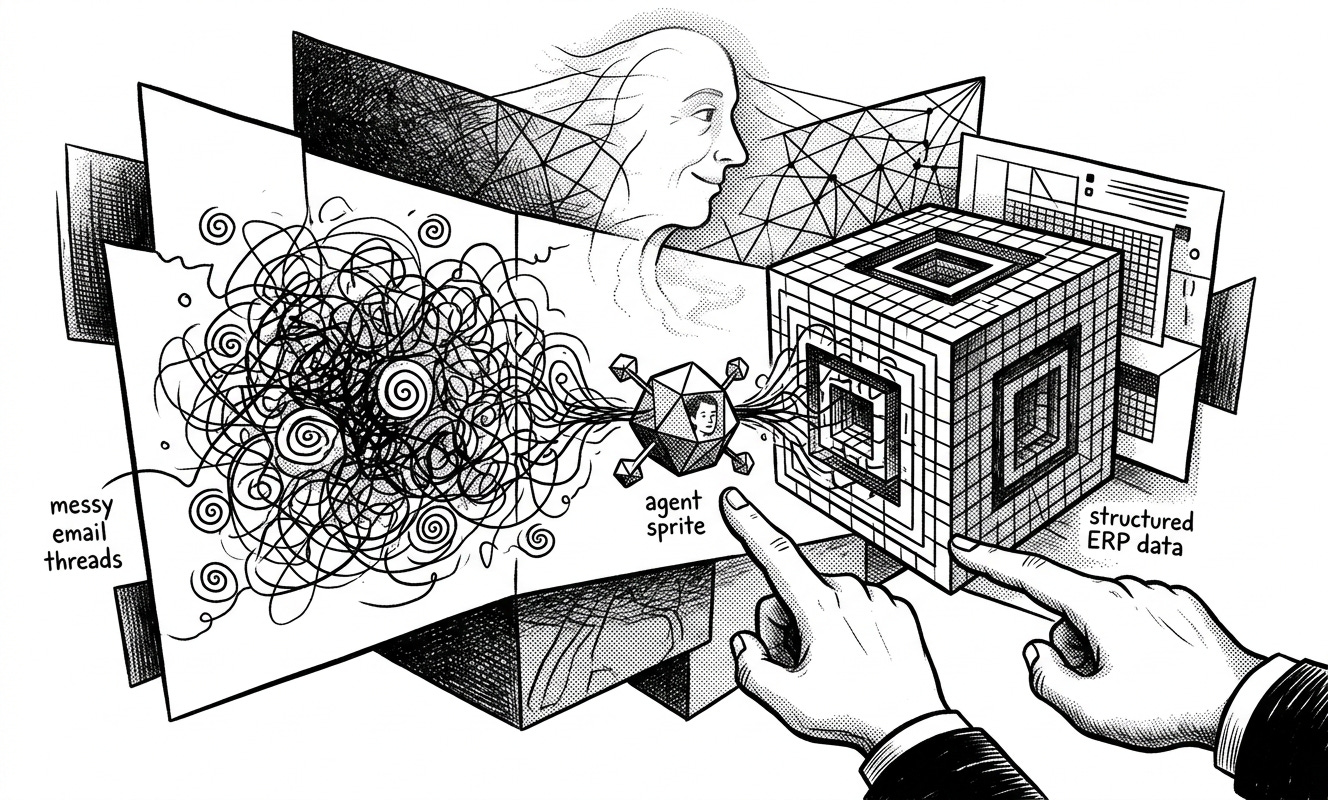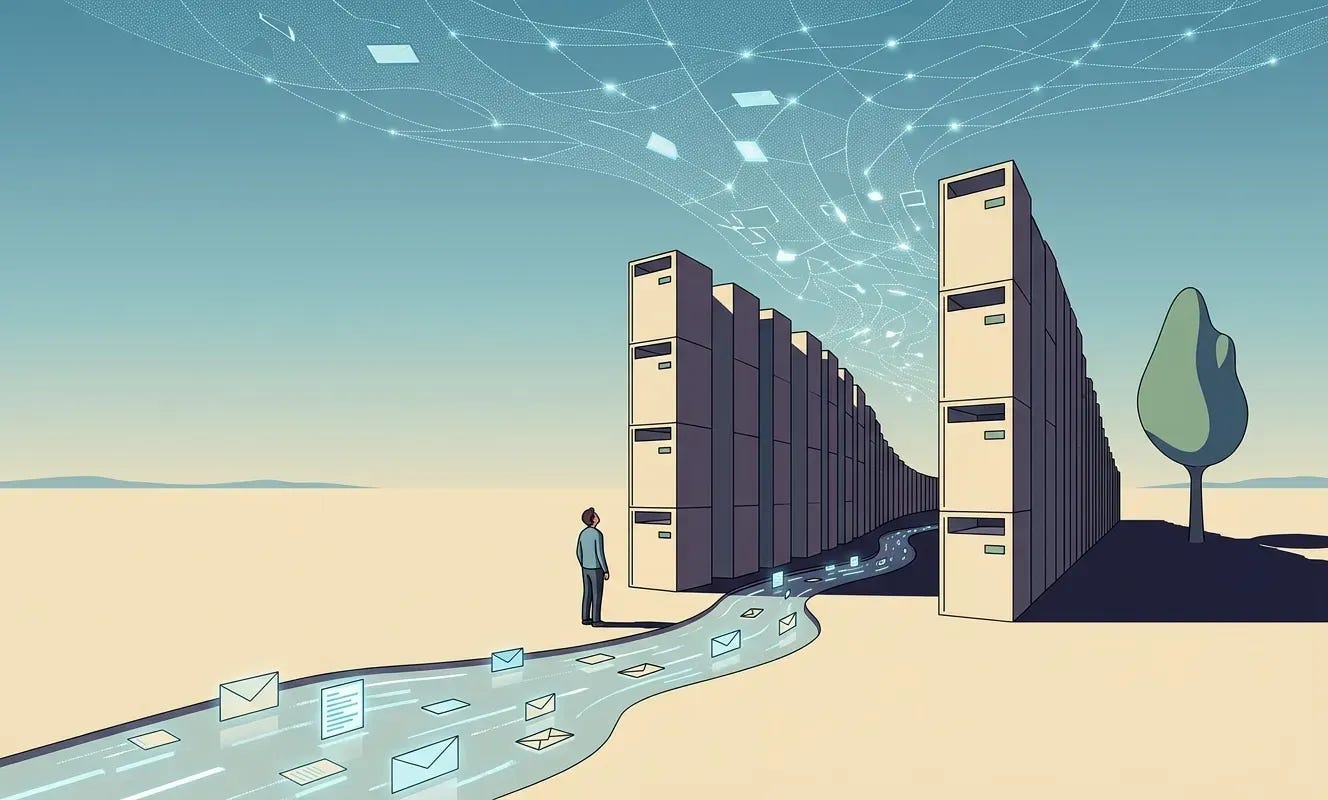
Chapter I: The Sand Hill Simulation
The glass wall overlooking Sand Hill Road hummed with a faint electronic dampening field. Inside the conference room, three partners at a venture firm watched a holographic telemetry feed displaying the financial pulse of the modern artificial intelligence landscape. The numbers were staggering, almost surreal. By late May 2026, Anthropic had surged to a breathtaking $47 billion annualized revenue run-rate, driven by massive developer adoption of autonomous coding agents like Claude Code. OpenAI held firm at a $25 billion run-rate. Across the global infrastructure grid, the five major hyperscalers—Microsoft, Alphabet, Amazon, Meta, and Oracle—were deploying an unprecedented $660 billion to $690 billion in capital expenditure in 2026 alone, carving out megawatt data centers across desert basins and polar fringes.
Yet, when Elena sat down to present her thesis on the future of enterprise software, she didn’t open with a product roadmap or a valuation slide. Instead, she brought up a dark, quiet map of global commerce. Outside the insulated bubble of software development and frontier tech startups, the operational penetration of artificial intelligence into actual enterprise workflows—into procurement, supply chain logistics, regulatory compliance, and corporate finance—remained stubbornly below five percent. Ninety-five percent of the global economy still ran on human eyes staring at static spreadsheets, manual data entry, and tired office workers copy-pasting text between disconnected browser tabs.
This story reveals why the greatest technological expenditure in human history yielded such a profound adoption disconnect. The industry spent four years building synchronous chat windows under the assumption that enterprise workers wanted to spend their days conversing with an AI assistant. But corporate work isn’t a real-time conversation. Corporate work is asynchronous, negotiated, and slow. The collective net profit of the Fortune 500 and S&P 500 sits at roughly $2 trillion every year. Capturing even ten percent of that profit pool through operational automation represents a $200 billion annual software opportunity. Winning that market won’t happen inside a chatbot; it will happen inside the oldest, most resilient protocol in digital history: asynchronous email.
Chapter II: The Protocol That Refused to Die
Elena tapped her terminal, bringing up a single message header dated 1971. When Ray Tomlinson sent the first network email over ARPANET, he created a protocol that would outlast the World Wide Web, the desktop computer, the smartphone, and generations of enterprise software suites. Over fifty years, wave after wave of tech visionaries announced the imminent death of email, promising that internal chat platforms or social workspaces would replace the inbox. Yet email endured as the undisputed nervous system of global business.
Why did email survive? The answer lies in the physics of human organization. Synchronous real-time interaction imposes severe cognitive friction on corporate workers. As explored in The Chatbot Myth: Why Enterprise AI Still Needs the Dashboard on semi◦diffusion, chat products demand immediate human presence, prompt engineering, and continuous context switching. Chatbots interrupt human focus; email respects asynchronous human time.